
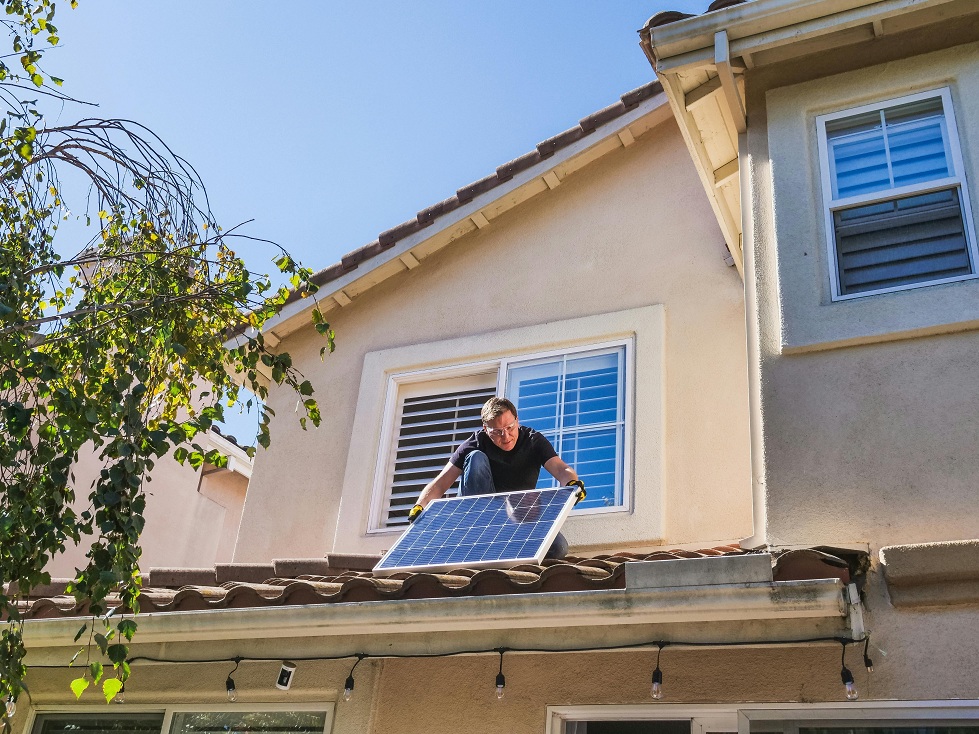
Drive through almost any French suburb these days and you’ll spot them : rows of dark blue panels tilted toward the sun on rooftop after rooftop. Ten years ago, that was rare. Now ? It’s almost normal. So why are more and more households switching to solar in 2026? It’s not just about saving the planet, honestly. The reasons are a lot more down-to-earth than that, and money is right at the top.
First, a word of honesty : solar isn’t magic
Let me be upfront about one thing before we dig in. Solar isn’t magic, and the returns depend heavily on where you live, how your roof is oriented, and what you actually consume. If you want to get into the real numbers on output and payback, sites like https://www.rendement-panneau-photovoltaique.fr go deep on the technical side. But here, I want to focus on the bigger picture : what’s actually pushing ordinary people to take the leap right now ?
Electricity prices that just won’t stop climbing
This is the big one. Energy bills across Europe have shot up since 2022, and a lot of households got a nasty surprise opening their statements. When you watch your bill creep higher year after year, producing your own power suddenly stops sounding like a hippie fantasy and starts sounding like basic common sense. People aren’t doing this to feel virtuous. They’re doing it because they’re tired of paying more every winter.
And here’s the thing that surprised me : even people who were skeptical for years are now running the math. When the payback period drops from fifteen years to closer to eight or ten, the conversation changes completely.
The tech got cheaper and better

Panels today produce more for less. The price of photovoltaic panels has fallen dramatically over the last decade, while their efficiency has climbed. Combine that with batteries that are finally becoming affordable, and you can store the energy you make during the day to use at night. That last part is a game changer. Before, you produced power at noon and sold it back for peanuts. Now you can keep it.
Self-consumption : keeping what you produce
This is probably the shift that matters most. The old model was : produce electricity, sell it all to the grid, buy back what you need. Not great financially anymore. The new logic is self-consumption, meaning you use your own power first and only sell or buy the difference. With energy prices high, every kilowatt-hour you don’t have to buy is money straight back in your pocket. Makes sense, no ?
A wish for a bit of independence
There’s also something less about euros and more about feeling. After a few years of energy crises, supply worries, and headlines about blackouts, a lot of people simply want to depend less on forces they can’t control. Producing part of your own electricity gives a small sense of autonomy. It’s not total independence, let’s be clear, most homes stay connected to the grid. But that partial control ? People value it more than they used to.
So, is everyone right to jump in ?
Not necessarily. A north-facing roof in a cloudy region won’t give you the same results as a sun-soaked house in the south, and anyone promising miracle returns everywhere is selling something. The honest answer is : it depends on your situation. But for a growing number of French households, the math finally adds up, and that’s really why 2026 is seeing so many people make the switch. Would it work for your home ? That’s the question worth running the numbers on before anything else.